



Polo Latest
Custom Soft Goods Manufacturing
When engineers and procurement leaders search for a custom soft goods manufacturer, they are usually facing a current production challenge.
- Maybe a current supplier can’t scale.
- Maybe quality inconsistencies are delaying a launch.
- Maybe a complex material or sealing process requires expertise beyond basic cut-and-sew operations.
In regulated industries, soft goods manufacturing isn’t just about stitching fabric together. It’s about engineering flexible materials into reliable, compliant, and scalable finished goods.
That distinction is what separates a true custom soft goods manufacturing partner from a standard textile supplier.
What Does a Custom Goods Manufacturer Actually Do?
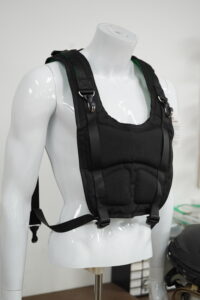
At its core, a custom soft goods manufacturer produces engineered textile and flexible material products built to an OEM’s exact specifications. These products often combine multiple materials, specialty coatings, or advanced bonding techniques to meet performance standards.
Soft goods can include:
- Medical device enclosures
- Aerospace oxygen bags
- RF-sealed bladders
- Industrial protective covers
- Fire-resistant safety carrying cases
- Thermoformed protective packaging
Unlike off-the-shelf textile providers, custom manufacturers collaborate early in the development process. Engineering teams work alongside OEM designers to refine materials, improve manufacturability, and reduce long-term production risk.
That early collaboration often determines whether a product will scale smoothly — or struggle when demand increases.
Why OEMs are Re-Evaluating Their Soft Goods Suppliers
Supply chain instability has forced many OEMs to rethink their manufacturing strategy. Long overseas lead times, limited transparency, and inconsistent quality control have exposed vulnerabilities.
As a result, more companies are prioritizing U.S.-based custom soft goods manufacturing partners that offer:
- Shorter iteration cycles
- Improved traceability
- Regulatory familiarity
- Cross-functional engineering support
- Integrated production capabilities
For medical device companies, fire safety suppliers, and aerospace manufacturers, these factors are not optional. They directly affect compliance, certification timelines, and revenue forecasts.
The Importance of Integrated Capabilities
One of the biggest differentiators in soft goods manufacturing is process integration.
Many suppliers specialize in only one discipline — for example, industrial sewing. But many OEM products often require multiple manufacturing technologies working together.
What custom manufacturers like Polo can offer that others can’t:
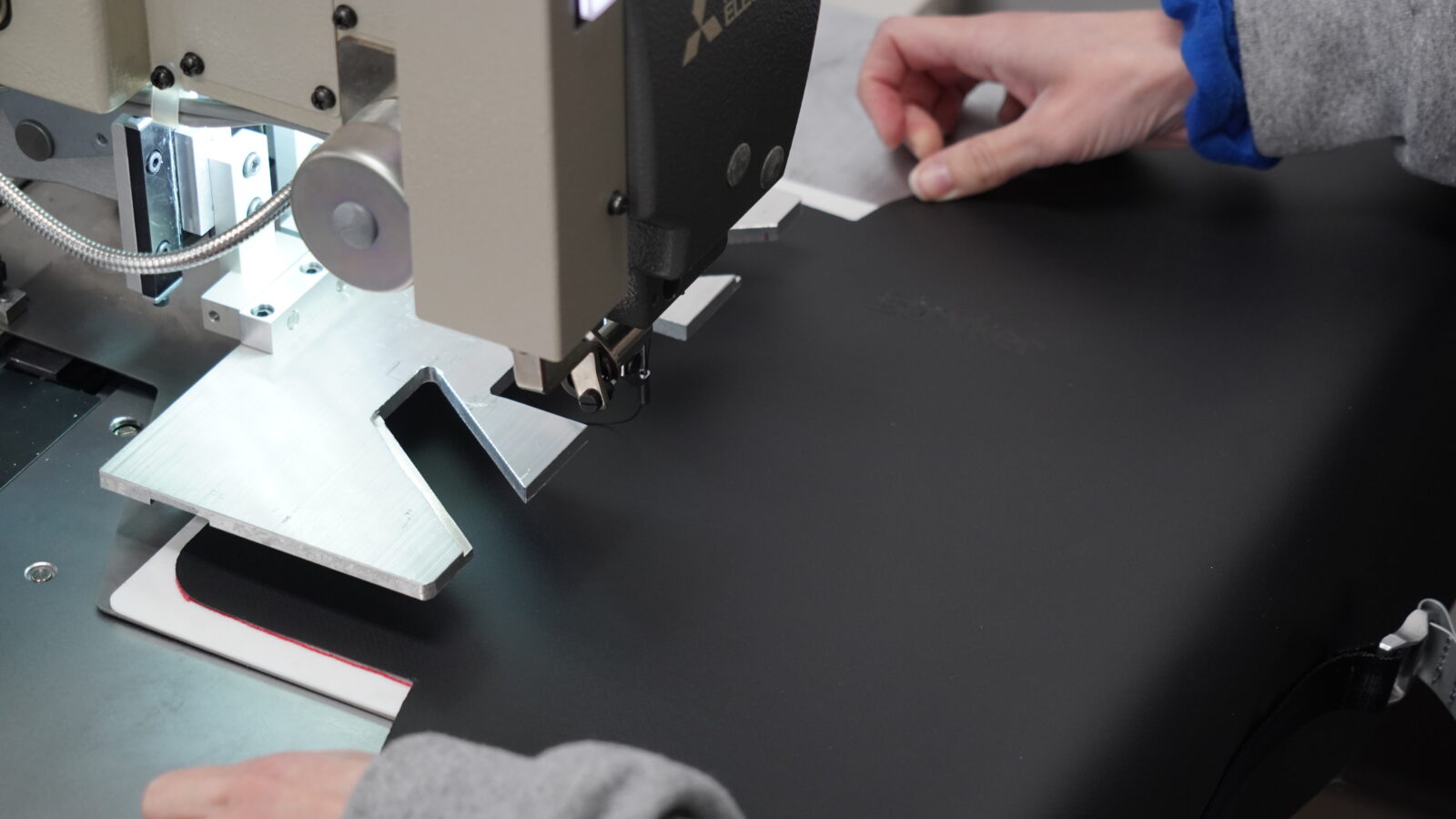
Industrial Sewing
Advanced sewn assemblies using coated fabrics, flame resistant textiles, and specialty performance materials. With a vast network of materials at our fingertips, we ensure your product is built with the right material for the right application.
RF Sealing (Radio Frequency Welding)
A process that bonds thermoplastic films and coated fabrics using electromagnetic energy. RF sealing creates durable, leak-proof seams — essential for medical and aerospace applications.
Thermoforming
Custom AED & Defibrillator carrying case and protective components designed to secure high-value products during transport and use. When these capabilities exist under one operational structure, OEMs reduce supplier fragmentation. That means fewer handoffs, fewer communication gaps, and greater consistency from prototype to full production.

What to Look for in a Custom Soft Goods Manufacturer
If you’re evaluating potential partners, there are several questions that quickly reveal depth of expertise:
- Do they support design-for-manufacturability discussions early in development?
- Can they source and test specialty materials?
- Do they understand regulatory requirements in your industry?
- Do they offer both domestic and global production strategies?
A strong manufacturing partner should challenge assumptions, recommend improvements, and help optimize your product for long-term scalability — not simply quote what’s already drawn.
Industries That Depend of Custom Soft Goods Manufacturing
Custom soft goods manufacturing plays a critical role cross multiple regulated and high-performance industries.
Medical Device
Manufacturers require sewn and RF-sealed components that meet strict quality and traceability standards. Sterile barriers, patient-contact assemblies, and protective enclosures must perform consistently in clinical environments.
Aerospace & Aviation
Applications such as oxygen delivery systems and specialty containment assemblies demand lightweight materials, precise sealing, and uncompromising reliability.
Fire & Safety
Protective gear and containment systems often incorporate flame-resistant textiles and reinforced construction methods to withstand extreme environments.
Defense & Government
Mission-critical textile and film-based components must meet durability and documentation requirements.
In each case, failure is not an option. The manufacturing partner must be capable of engineering performance into flexible materials.
The Strategic Advantage of the Right Partner
Ultimately, selecting a custom soft goods manufacturer is a strategic decision.
It impacts:
- Speed to market
- Regulatory compliance
- Production scalability
- Long-term cost stability
- Brand reputation
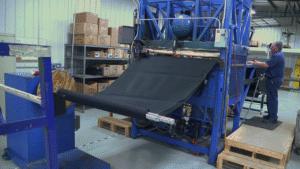
OEMs that invest in a strong manufacturing partnerships like Polo, can often avoid costly redesigns, supply disruptions, and performance failures later. The right manufacturing partner ensures products perform exactly as intended — at every stage of their lifecycle.
If you’re evaluating a new project or reassessing your current supplier network, understanding what truly defines a custom soft goods manufacturer is the first step toward building a more resilient production strategy.
