



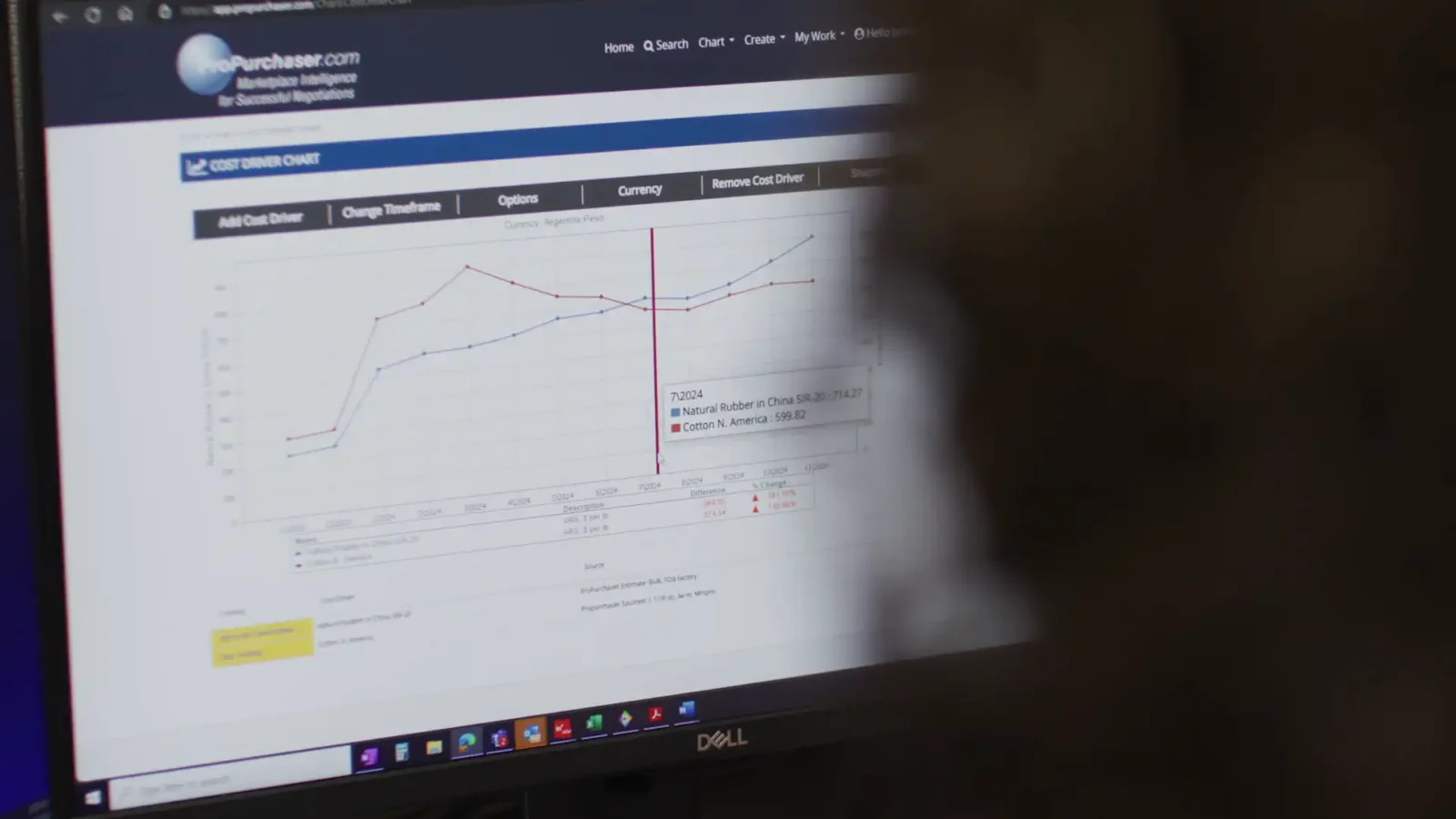
How Manufacturers Stay Ahead of Supply Chain Disruptions
Supply chain used to sit quietly in the background of manufacturing.
When everything was running smoothly, no one thought about it. Materials showed up, production stayed on schedule, and customers got what they needed.
That is no longer the world we operate in.
Over the last few years, from COVID disruptions to ongoing geopolitical tensions like the Strait of Hormuz, supply chain has become one of the most critical factors in whether a project succeeds or fails.
And the difference between companies that struggle and companies that stay ahead? It is not luck. It is preparation.
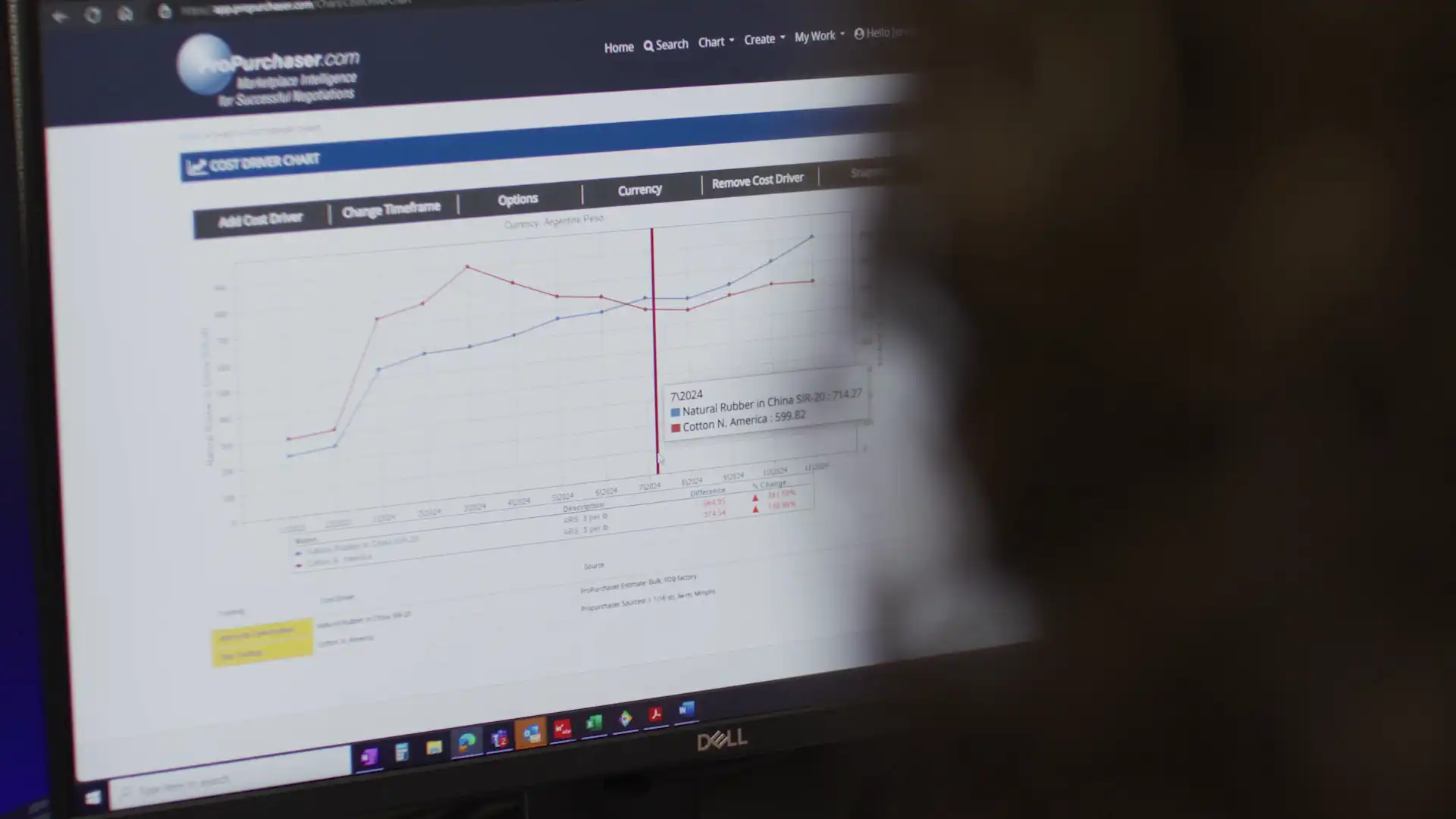
Why Global Events Hit Manufacturing So Hard
At first glance, something like the Strait of Hormuz feels distant. It is a small stretch of water halfway around the world, easy to assume it will not directly impact your operation.
But in reality, it touches nearly everything.
Fuel costs shift. Shipping routes change. Suppliers adjust pricing. Lead times stretch.
As discussed in Polo’s recent Inspiring Innovation episode:
“Even if we’re not sourcing directly from that region, fuel costs, shipping routes, and supplier operations are all impacted, and that trickle-down happens fast.”
That trickle-down does not take long. Once it starts, it builds quickly across the entire supply chain.
The Bigger Problem Is Not Price. It Is Predictability.
Most conversations around supply chain disruptions start with pricing. And yes, price increases are real.
But they are not the biggest challenge.
The real issue is uncertainty.
“Even if materials exist, getting them from point A to point B on a predictable timeline becomes the real challenge.”
When timelines become unpredictable, everything else follows:
- Production schedules slip
- Inventory strategies get disrupted
- Customer commitments become harder to meet
That is where strong supply chain strategy separates itself.
Where the Impact Hits First
Disruptions tend to follow a pattern. It usually starts with energy and transportation, then spreads outward.
From there, it affects:
- Material availability
- Supplier capacity
- Pricing behavior
- Production prioritization
And as companies react, the situation can escalate.
We have seen it before. Companies begin over-ordering to protect themselves, which tightens supply even more. It is the same behavior that drove shortages during COVID, just at a much larger scale.
Why Petrochemicals Matter More Than You Think
One of the fastest ways these disruptions show up is through materials tied to petroleum.
That includes more than people expect:
“Anything that is a derivative of petrochemicals, pricing, lead times, and availability are all changing right now.”
For manufacturers in industries like medical, defense, safety, aviation, and powersports products, this can create immediate pressure.
Even suppliers not directly tied to these materials feel the effects through increased transportation and energy costs.
Everything is connected.
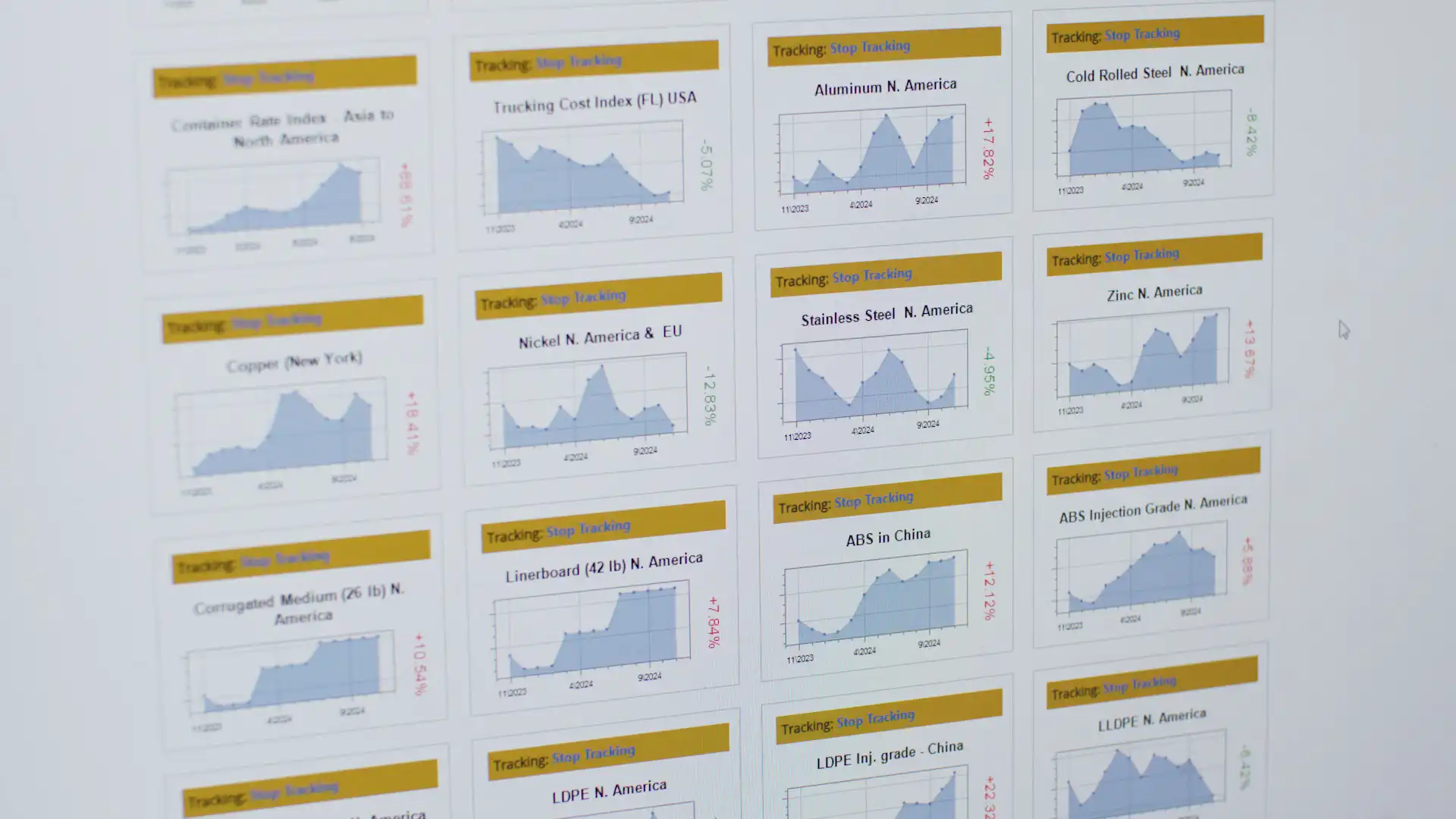
What Actually Keeps Supply Chains Stable
When disruption hits, most companies react. The ones that stay steady have already done the work ahead of time.
At Polo Custom Products, that comes down to a few key principles.
Proactive Planning
During COVID, global container delivery rates dropped as low as 15 to 20 percent.
Polo maintained 80 to 85 percent on-time delivery.
Why?
“We proactively booked container space ahead of demand, so we were locked in when others were scrambling.”
That kind of performance does not happen in the moment. It is built in advance.
Supplier Diversification
Relying on one supplier, or even one region, is a risk most manufacturers cannot afford anymore.
A strong supply chain today includes:
- Domestic production options
- Nearshore production options
- Global sourcing capabilities
It is not about having the most suppliers. It is about having the right options when conditions change.
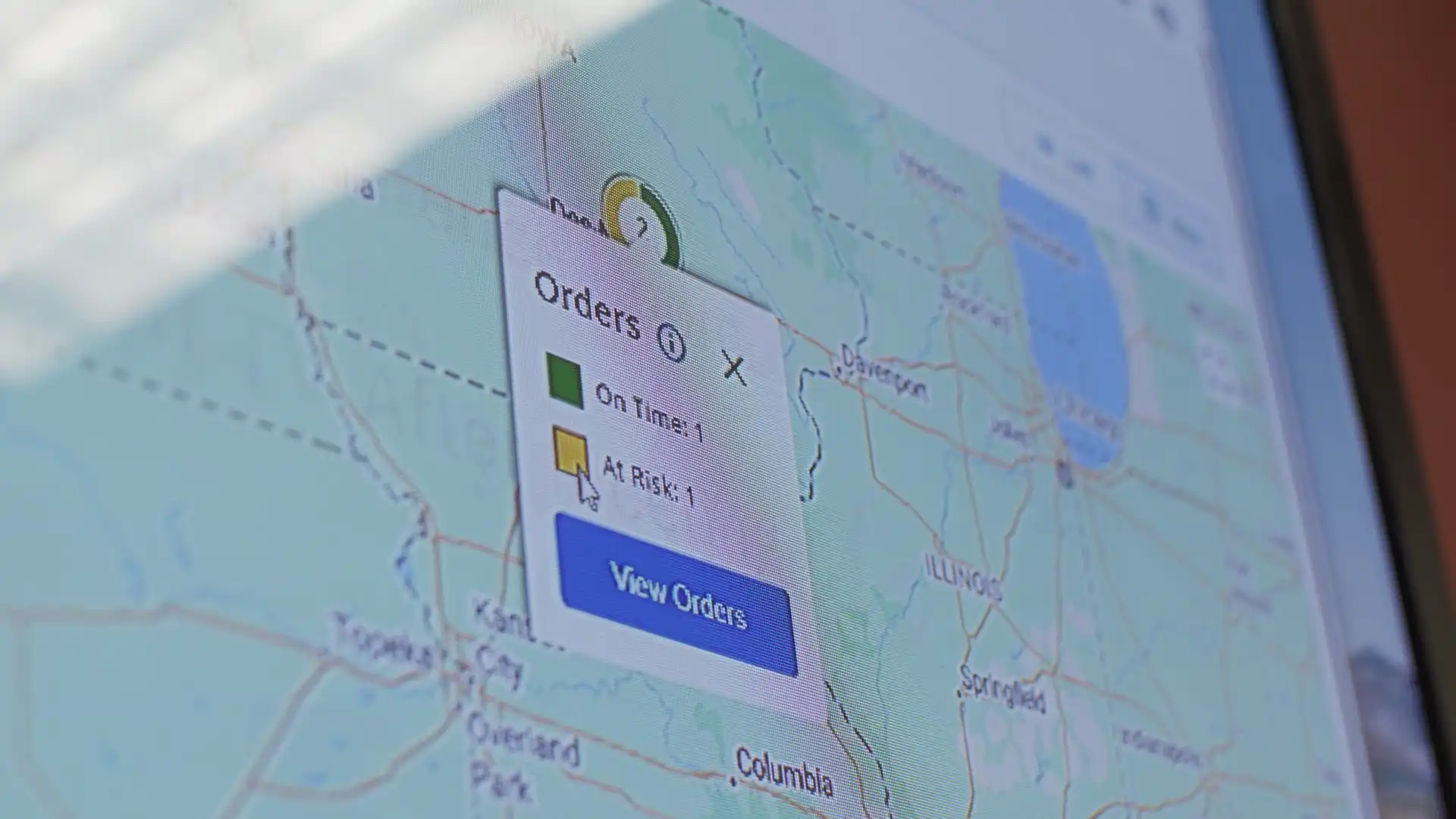
Clear, Strategic Communication
Communication is often overlooked, but it is one of the most powerful tools in supply chain management.
“Communication isn’t about more information. It’s about the right information at the right time.”
When teams and customers have visibility early:
- Risks can be addressed before they escalate
- Decisions can be made faster
- Solutions can be developed collaboratively
Bad news early is almost always better than surprises late.
Building in Redundancy When It Matters
Not every component can have a second source. Qualification takes time, cost, and in some industries, regulatory approval.
But identifying where redundancy is critical, and planning for it early, can prevent major disruptions down the line.
The Domino Effect Is Real
Supply chain disruption does not happen in isolation. It builds.
Energy costs increase, transportation tightens, suppliers raise prices, buyers react, demand spikes, availability drops.
“Each disruption multiplies as everyone downstream works to protect themselves.”
Understanding that chain reaction is what allows manufacturers to stay ahead of it instead of chasing it.
Where AI Is Starting to Make an Impact
While global events are unpredictable, tools are improving.
AI is starting to play a role in how supply chains are managed, not by replacing people, but by enhancing decision-making.
From analyzing large datasets to identifying blind spots:
“AI helps uncover things we might not otherwise consider and gives us more time to focus on problem-solving.”
The biggest advantage? Time. And in supply chain, time is everything.
What This Means for OEMs Right Now
If you are managing sourcing, procurement, or product development, the takeaway is simple: do not wait for disruption to expose your risk.
Start asking:
- Where are we most vulnerable?
- Do we have alternative sourcing options?
- Are we communicating effectively with our partners?
- Do we have visibility into our supply chain?
“The worst time to learn where your risk lies is after the disruption hits.”
Why Your Manufacturing Partner Matters
In times like this, your manufacturing partner becomes more than a supplier. They become part of your strategy.
At Polo Custom Products, the focus is on helping customers:
- Navigate uncertainty
- Reduce risk
- Maintain production stability
- Scale with confidence
Because in today’s environment, it is not just about making products. It is about making sure they get delivered.
Learn more about Polo’s Supply Chain Expertise
Watch the Full Conversation
This blog only scratches the surface.
Watch the full episode of Inspiring Innovation to hear directly from Polo’s supply chain team on how they are navigating global disruption and what it means for manufacturers moving forward.
