



Polo Latest
7 Sewing Factors That Strengthen Medical Device Reliability
This blog outlines seven factors that strengthen sewn medical device reliability, including manufacturing experience, stitch selection, material compatibility, seam construction, quality controls, regulatory support, and cleanroom capabilities. It also highlights how Polo supports OEMs from early development through scalable production.
7 Sewing Factors That Strengthen Medical Device Reliability
With sewn medical products, reliability is set in motion long before the first unit is built. Choices around stitch type, how materials behave together, seam layout, quality controls, and even the shop environment all leave a mark on performance once the product reaches clinical use. When a seam lets go, material gets nicked, or assembly varies from unit to unit, the downside is shared, the OEM, the provider, and the patient all carry the risk. That’s why medical device sewing can’t be treated like ordinary production work. It calls for hands-on technical understanding, tightly managed processes, and a manufacturing partner who treats consistency as non-negotiable.
Below are seven areas OEMs should weigh when designing and producing sewn medical devices.
1. An experienced medical device manufacturing partner
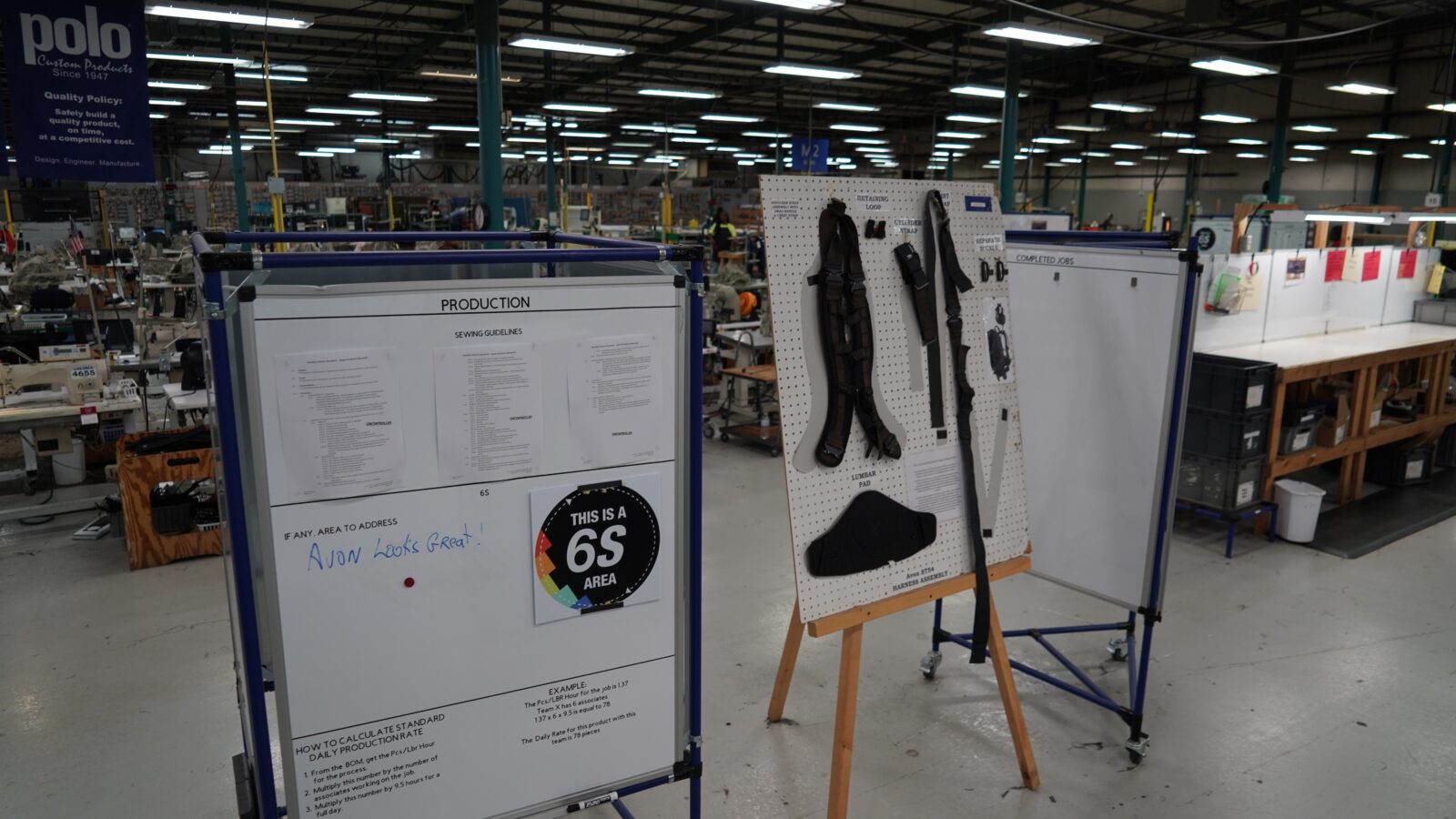
A capable partner should be ready to stay with the program from early development, through prototyping, and into full-scale production. Polo Custom Products applies nearly 80 years of industrial sewing know-how to medical device manufacturing. OEM teams work with Polo across product development, engineering, quality, supply chain, and production on patient-positioning components, compression products, protective covers, straps, bags, garments, and other sewn assemblies.
Polo operates within quality management systems certified to ISO 13485:2016 and ISO 9001:2015, supporting controlled documentation, traceability, risk management, and stable, repeatable manufacturing through the full life of a program.
2. Stitch pattern selection
The stitch pattern chosen plays a direct role in how a product holds up under load, movement, and repeated use. Lockstitches, chain stitches, bar tacks, box stitches, and related patterns aren’t interchangeable; each one solves a different problem. A medical positioning strap might need reinforcement in high-stress zones, while a patient-contact textile could require a build that keeps strength, flexibility, and comfort in balance. Which pattern fits best comes down to intended use, the materials involved, load expectations, and how long the product is meant to stay in service.
3. Thread and material compatibility
Thread, fabric, foam, film, webbing, and other inputs have to work together as a single system, not as separate parts. Thickness, stretch, coatings, surface texture, strength, and patient-contact requirements can shift sewing behavior and finished performance. Thread selection also has to match the real-world demands of cleaning steps, environmental exposure, and sterilization methods tied to the end product.
Polo works with a network of 600+ material suppliers and supports OEMs in comparing options based on performance, ease of manufacturing, availability, and application needs. Supplier coordination can also be managed through Polo’s qualification and risk assessment approach. When material evaluation happens early, it’s easier to avoid production headaches, cut down on redesign cycles, and keep long-term output steady.
4. Proper seam construction
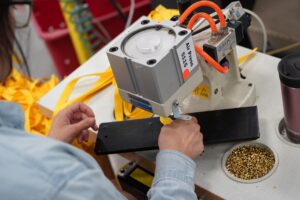
Even a strong stitch pattern can fail if the seam itself isn’t built and specified correctly. Seam allowance, reinforcement, thread tension, needle choice, stitch density, and the order of assembly all affect outcomes. In high-stress locations, added layers, binding, backstitching, bar tacking, or other reinforcement methods might be required. Some designs call for both sewn and sealed features.
Polo combines industrial sewing and RF sealing in-house, which helps limit supplier handoffs and keeps the path from concept to production more straightforward. That experience includes sewn safety gear for government agencies, firefighters, safety professionals, and medical applications where dependable performance matters.
5. Controlled quality processes
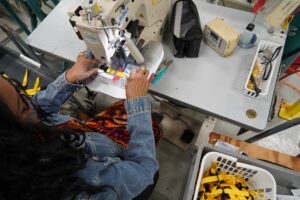
Medical products need consistent performance from one run to the next, not just a good first batch. Quality works best when it’s built into the process instead of being treated as something verified only at final inspection. Depending on the product, controls can include:
- Incoming material inspections
- Tensile, seam slippage, and stretch-and-recovery testing
- In-process dimensional checks
- Stitch and seam inspections
- Strength or functional testing
- Final product inspections
- Lot and material traceability
Polo’s quality team focuses on spotting issues early, reducing rework, and keeping nonconforming product from reaching the customer.
6. Regulatory and documentation support
Medical device manufacturing often lives and dies by records, controlled procedures, and traceable decisions. An ISO 13485-certified quality management system covers:
- Document control
- Supplier management
- Traceability
- Corrective actions
- Risk management
- Training
- Production controls
A partner with medical manufacturing experience can also help OEMs keep the documentation needed for audits, validations, and regulatory filings. At Polo, cross-functional teams support quality planning and documentation from development through ongoing production.
7. Cleanroom and controlled-environment manufacturing
Some medical products need higher cleanliness levels and tighter environmental control while they’re being made. Cleanrooms and controlled environments help reduce particulate contamination and provide dedicated space for medical-grade films, fabrics, foams, and specialty materials. They can also support products that require controlled handling before packaging or sterilization. It’s still worth stating plainly: cleanroom production does not make a finished product sterile. Sterility needs to be assessed based on the device, packaging approach, sterilization method, and regulatory plan.
Polo’s cleanroom and controlled-environment setups can be arranged to support sewing, sealing, forming, assembly, and other project-specific needs.
Why OEMs choose Polo Custom Products
Polo Custom Products supports OEMs with:
- 80 years of custom industrial sewing experience
- 190,000 square feet of manufacturing space
- Three U.S. locations
- One nearshore facility in the Dominican Republic
- Five global manufacturing partners
- ISO 13485:2016- and ISO 9001:2015-certified quality systems
- Engineering and product development support
- Sewing, sealing, and thermoforming capabilities
- Cleanroom and controlled-environment manufacturing
- Material sourcing and supply chain support
- Scalable production for high-volume programs
- Warehousing support
From early material decisions and prototyping through full-scale production, Polo works alongside OEM teams to help bring sewn medical products from concept to completion. Have a sewn medical product or assembly you’re ready to develop?
