



Polo Latest
Inside Polo Custom Products Training and Development Program
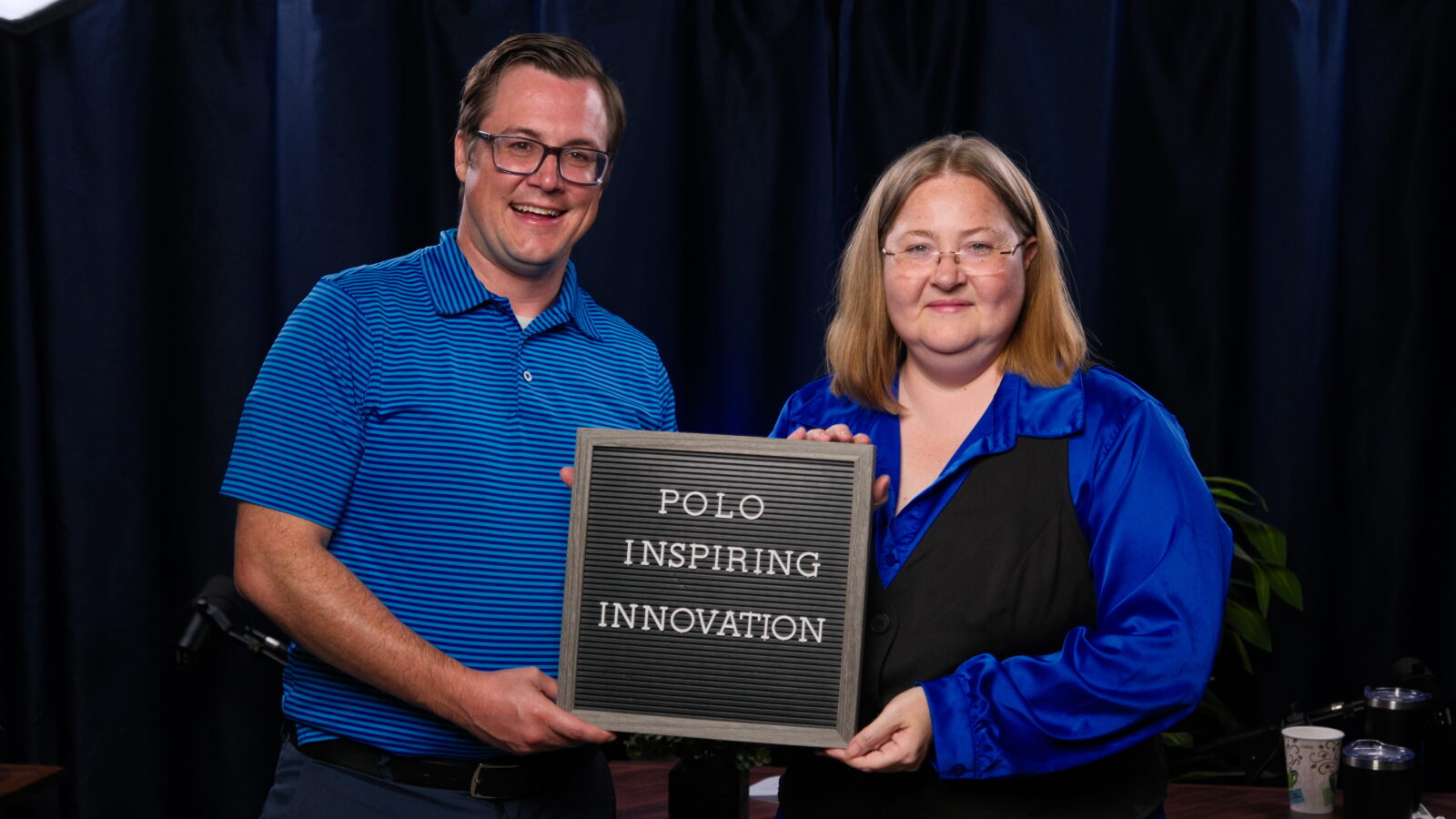
Training isn’t just an onboarding checklist—it’s one of the most reliable ways a custom manufacturer earns trust, protects quality, and builds a workforce that can execute on products that can’t afford to fail. In a special “Hot Ones”-inspired edition of Polo Custom Products’ Inspiring Innovations podcast, Sean sits down with Shantell
Stevens, Training and Development Manager, for a conversation that’s equal parts entertaining and insightful. Between progressively spicier wings, Shantell shares how Polo approaches training and development in manufacturing, why curiosity is central to effective learning, and how structured, measurable programs help both associates and customers win.
Training as the Front Line of Quality and Safety
Polo’s training is intentionally designed to set expectations early—especially around safety and quality. As Shantell explains, new hire training is more than orientation; it’s a cultural introduction that helps people understand how work gets done and why it matters.
“New hire training is the like handshake and the smile when you meet a new person…the fact that we come out so strong talking about quality and safety, it kind of sets a precedence for who we are as a company.”
That tone matters in a contract manufacturing environment where outcomes must be consistent, repeatable, and compliant. Training helps associates connect the “how” of the job to the “why” behind it—protecting each person on the floor while reinforcing product quality for customers.
Shantell sums up the goal clearly:
“Everything that we do… has to be seen through the lens of creating a good quality product for our customers and also keeping you safe.”
A Practical Look at Custom Manufacturing Training at Polo
When people hear “training,” they often imagine a quick HR overview and then learning on the job. Polo’s approach is more structured—especially for roles that require precision and process discipline. Shantell shares that new associates undergo a comprehensive program that spans their entire first week—roughly 40 hours—before they begin independent work. This includes 14 hours of coursework followed by
practical, hands-on application.
A critical component of this curriculum is mastering the Bill of Manufacturing (BOM). This goes beyond simple assembly instructions; it involves teaching operators how to read engineering drawings and understand the & “recipe” for complex products.
Key components of custom manufacturing training at Polo include:
- Company and HR foundations (history, policies, procedures, and expectations)
- Safety and quality training to reinforce standards from day one
- Lean manufacturing basics to build a shared language around continuous
improvement - Bill of Manufacturing (BOM) training and how to interpret process
documentation correctly - Practical training with guided instruction before stepping onto the production
floor
This mix is designed to reduce variability, accelerate readiness, and support long-term success—not just quick short-term output.
The Tiers Program: Objective Growth and Excellence
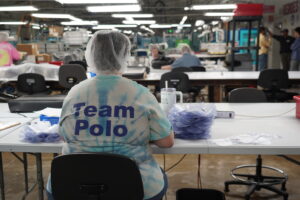
During the podcast, Shantell detailed the development of the “Tiers Program” a system designed internally to provide objective, quantifiable paths for employee advancement. Interestingly, this program wasn’t built in a boardroom; it was built by listening to the experts on the floor—our top-tier operators.
Shantell utilized a “wild curiosity” approach, interviewing successful associates to identify exactly what makes a Polo operator great. The result was a standardized framework for advancement based on five universal criteria:
1. Reliability: Consistency in attendance and focus.
2. Machine Knowledge: Deep understanding of processes.
3. BOM Comprehension: Ability to interpret manufacturing bills accurately.
4. Teamwork: Collaboration with fellow associates.
5. Quality: The ability to maintain high output with zero defects.
This program ensures that when a customer’s product is on the line, it is being handled by individuals who are recognized and rewarded for their verifiable skills.
Building Specialty Training Through Curiosity and Collaboration
Manufacturing teams are made up of highly specialized skill sets—from Sewing operators and RF Sealing teams to Thermoforming and beyond. Shantell’s approach to building training across these specialties is rooted in a simple mindset:
“It’s basically by having the belief that I know nothing at all… as long as I go into it with this wild curiosity and a genuine desire to learn… then it means I get to ask a lot of questions.”
That posture—listening first, learning from internal experts, and doing deep research—helps training reflect real-world process needs instead of generic “one-size- fits-all” content. It also makes training more credible, because it’s built with input from the people closest to the work.
Shantell describes looking for the moments when expertise shows itself:
“When you see them get excited… and you see their eyes light up… that’s what we should teach.”
This is an important takeaway for leaders thinking about training and development in manufacturing: the best material is often already inside your organization—it just needs to be captured, structured, and taught consistently.

Measuring Success and Building Custom Confidence Through Training
When asked how she measures training effectiveness, Shantell makes a strong point: satisfaction scores alone don’t tell the full story.
“People will tend to rate really high when they have fun… I actually care way more about if you can go out six months later, a year later, and talk to people about the concepts… and they remember it… and they can actually tell me how it helped them.”
For customers, training is a hidden but critical layer of risk reduction. When your manufacturing partner invests in people—process understanding, quality discipline, safety habits, and continuous improvement—you gain confidence that what’s been specified is what will be built.
Training Builds Trust — Internally and Externally
Great training doesn’t happen by accident. It takes structure, collaboration, and a commitment to continual improvement. As Shantell shares in this podcast episode, training at Polo Custom Products is built to establish a culture of safety and quality, develop capability across departments, and support long-term growth through ongoing learning.
Ready to hear the full conversation (and see who survives the heat)? Listen to the full podcast episode: https://www.youtube.com/watch?v=6smSg4tZbX8&t=1956s
Project In Mind? Request a Quote Today
