


Polo Latest
Why Medical Waste Collection Bags Improve Infection Control
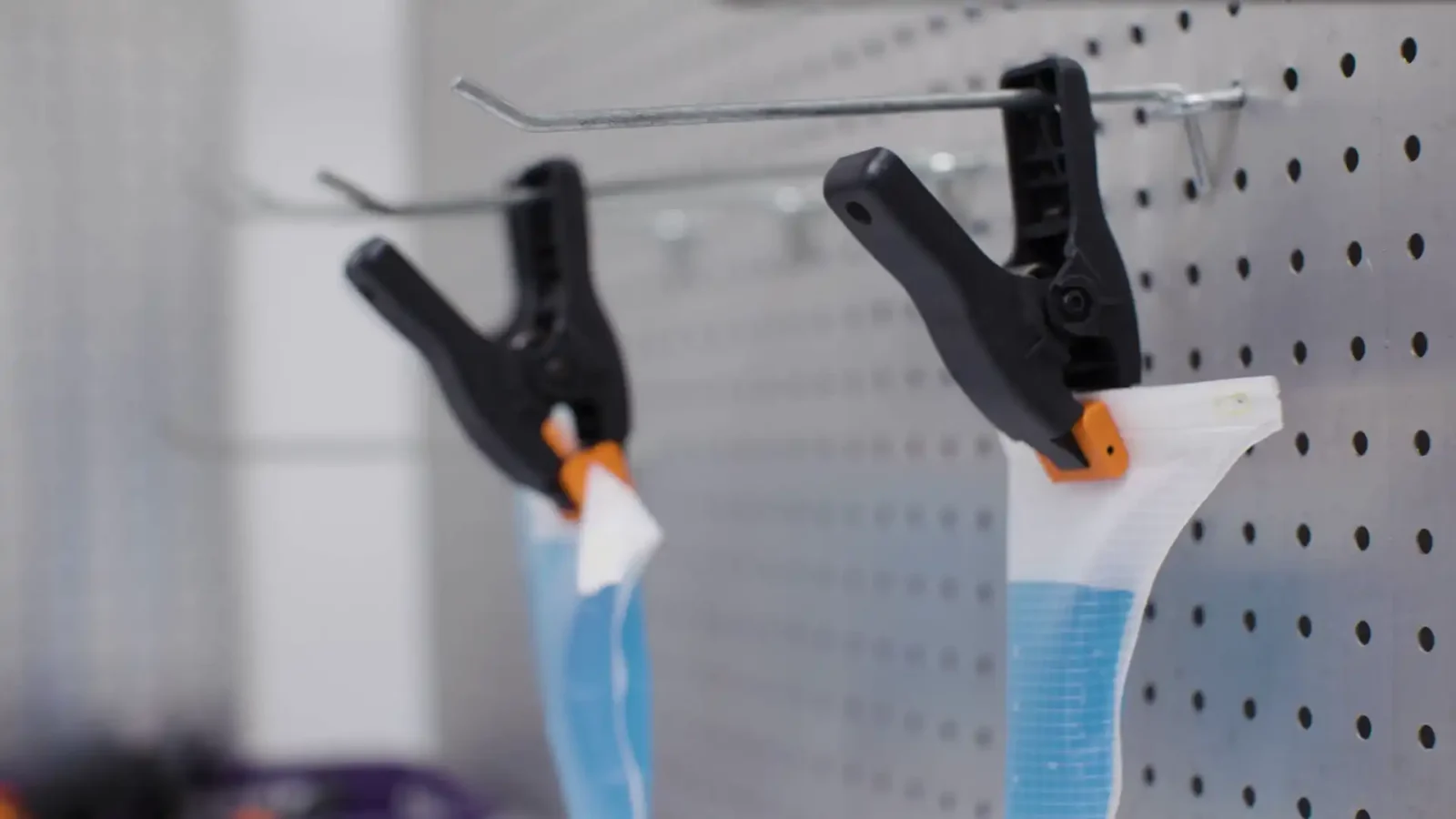
In healthcare settings, collecting body fluids safely is an essential part of infection control. A bag used for drainage, suction, or another fluid collection application must contain its contents throughout use and handling. A weak seam, poorly fitted connection, or difficult closure can create an opportunity for a spill and increase the chance that staff, patients, or nearby surfaces come into contact with the fluid.
For medical OEMs, designing a collection bag means thinking beyond its shape and capacity. Materials, seals, ports, handling, and manufacturing consistency all affect how the finished product performs.
01
Containment Starts with the Bag’s Design
A medical fluid collection bag must suit the procedure and the way clinicians will use it. The volume it needs to hold, where it will hang or rest, how fluid enters, and how the bag will be emptied or closed can vary widely by application. A urinary drainage bag, for example, has different handling needs from a bag intended to collect fluid during a procedure.
These details matter to infection control because each interaction with the bag creates a potential point of exposure or contact. A secure connection can help keep fluid within the collection system. A closure that works as intended can help contain fluid when the bag is moved or removed. A design that is practical for staff to handle can also reduce unnecessary manipulation.
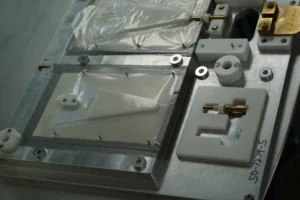
No bag can replace a healthcare facility’s infection prevention procedures. Its role is to support those procedures through reliable containment during its intended use. OSHA requires containers for regulated waste to prevent fluid leakage during handling, storage, transport, or shipping; the exact requirements for a particular collection product depend on its intended use and how it will be handled after use.
02
Seams and Materials Deserve Close Attention
A collection bag may look simple, but its seams are critical. If a seam separates or develops a small leak, the bag may no longer contain fluid as intended. Port attachments and transitions between materials also need attention because they can be stressed as the bag fills, moves, or is handled.
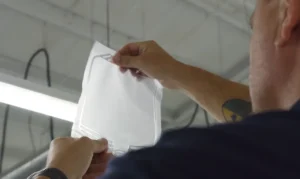
The right manufacturing method depends on the materials and product design. Polo Custom Products works with medical OEMs on custom fluid collection bags and offers sealing methods including RF welding, impulse sealing, and ultrasonic sealing. For one custom drainage bag project, Polo used RF sealing and in house leak and pressure quality testing during development and production to meet the customer’s specifications.
Material selection also has to account for how the bag will be used. Flexibility, strength, clarity, and compatibility with the chosen sealing process may all be relevant. An OEM and a custom manufacturing partner like Polo should define those needs together, then evaluate the finished assembly against the product’s requirements.
03
Consistent Manufacturing Supports Reliable Performance
A successful prototype is only the beginning. OEMs also need confidence that production bags will consistently meet the approved design. That calls for defined processes, inspection criteria, and quality testing appropriate to the application.
Polo’s product development and engineering resources can support design for manufacturability and assembly, failure mode and effects analysis, process validation planning, and advanced product quality planning. Our quality team works with engineering and production teams to establish how a product will be inspected and tested as it moves into manufacturing.
For fluid collection products, testing may focus on features such as seal integrity, connections, and the bag’s performance under expected conditions of use. The test method and acceptance criteria should follow the OEM’s design requirements and the product’s intended use. This helps turn a promising concept into a repeatable manufacturing process during large volume runs.
04
The Right Environment for the Project

Some products and materials call for a controlled manufacturing environment. Polo operates an ISO 9001:2015- and ISO 13485:2016-certified, FDA-registered manufacturing facility with cleanroom and controlled environments. Available capabilities include:
and other processes suited to specialized OEM projects.
A cleanroom is one part of a broader manufacturing plan. The OEM and manufacturer still need to identify the product’s material, assembly, quality, testing, and documentation requirements. Making those decisions early can help ensure that the chosen production environment and process fit the application.
Partner With Polo on Your Fluid Collection Bag
Medical waste and body fluid collection bags help support infection control when they reliably contain fluids and fit the way healthcare teams use them. That performance begins with thoughtful design and carries through material selection, sealing, testing, and consistent production.
Polo Custom Products has manufactured a large variety of custom body fluid collection bags for medical OEMs. If you need a partner to help develop, engineer, manufacture, and test a bag to your specifications, call 866-376-6106.
